The cost of a silver – plated bottle can be influenced by a multitude of factors, and as a supplier of silver – plated bottles, I’m well – versed in these elements. In this blog, I’ll delve into the key aspects that determine the price of a silver – plated bottle and provide you with a comprehensive understanding of the cost structure. Silver-plated Bottle
Material Costs
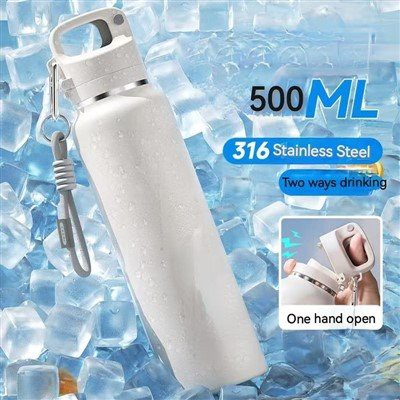
The first factor to consider is the base material of the bottle. Silver – plated bottles are typically made with a base of materials like stainless steel, brass, or glass. Stainless steel is a popular choice due to its durability, corrosion resistance, and relatively low cost. It can withstand daily wear – and – tear, making it suitable for a wide range of applications, from personal water bottles to decorative containers. Brass, on the other hand, offers a warm, golden – like hue that can enhance the aesthetic appeal of the bottle. However, it is more expensive than stainless steel and may require more maintenance to prevent tarnishing. Glass bottles provide a transparent and elegant look, but they are more fragile and can be costlier to produce and transport.
The silver plating itself is another significant cost component. The quality of the silver used for plating varies, with purer silver generally being more expensive. High – grade silver plating not only enhances the visual appeal of the bottle but also provides better durability and resistance to scratching and tarnishing. The thickness of the silver layer also matters. A thicker layer of silver plating will cost more but will offer better long – term performance and a more luxurious feel.
Manufacturing Process
The manufacturing process of a silver – plated bottle is complex and involves several steps, each of which can impact the final cost. First, the base material needs to be shaped into the desired bottle design. This may involve processes such as machining, casting, or molding. Machining is a precise method that can create intricate shapes but is relatively time – consuming and expensive. Casting allows for the production of large quantities of bottles with consistent designs, but it requires the creation of molds, which adds to the upfront cost. Molding is a cost – effective option for mass – producing simple bottle shapes.
After the base bottle is formed, it undergoes a series of surface treatment processes before silver plating. These processes include cleaning, polishing, and activating the surface to ensure proper adhesion of the silver layer. The silver plating process itself can be done through electroplating or chemical plating. Electroplating is a widely used method that involves passing an electric current through a solution containing silver ions to deposit a layer of silver onto the bottle’s surface. It offers precise control over the thickness of the silver layer but requires specialized equipment and skilled operators. Chemical plating is a less expensive alternative but may result in a less uniform and durable silver coating.
Design and Branding
The design of the silver – plated bottle plays a crucial role in determining its cost. Bottles with unique and intricate designs, such as engraved patterns, embossed logos, or custom shapes, will generally cost more than simple, standard – shaped bottles. Designers need to invest time and creativity in developing these unique designs, and the manufacturing process may also be more complex and time – consuming.
In addition to the physical design, branding can also impact the price. Bottles with well – known brand names or custom – branded elements, such as company logos or personalized messages, can command higher prices. Branding adds value to the product by creating a sense of exclusivity and quality. However, it also involves additional costs, such as logo design, printing, or engraving.
Market Demand and Supply
Market demand and supply dynamics also have a significant influence on the cost of silver – plated bottles. When the demand for silver – plated bottles is high, prices tend to rise. This could be due to factors such as seasonal trends, promotional campaigns, or increased consumer interest in luxury or eco – friendly products. For example, during the holiday season, there is often a surge in demand for silver – plated bottles as gifts, which can drive up prices.
On the supply side, factors such as raw material availability, production capacity, and competition among suppliers can affect the cost. If there is a shortage of silver or other raw materials, the cost of production will increase, leading to higher prices for the final product. On the other hand, if there is intense competition among suppliers, prices may be more competitive as companies try to attract customers.
Quality and Certification
The quality of a silver – plated bottle is an important consideration when determining its cost. High – quality bottles are made with strict quality control measures throughout the manufacturing process. This includes using high – grade materials, ensuring proper silver plating thickness and adhesion, and conducting rigorous testing for durability, safety, and functionality. Bottles that meet international quality standards, such as ISO certifications, are generally more expensive as they provide assurance of quality and reliability.
In addition to quality, some silver – plated bottles may come with additional features or certifications, such as being BPA – free, dishwasher – safe, or having thermal insulation properties. These features add value to the product but also increase the cost of production.
Pricing Range
Based on the above factors, the price of a silver – plated bottle can vary widely. A basic, standard – shaped silver – plated bottle made of stainless steel with a thin layer of silver plating and no additional features may cost anywhere from $10 to $30. These bottles are often suitable for everyday use or as entry – level promotional items.
Mid – range silver – plated bottles, which may have a better quality base material, a thicker silver layer, and some basic design elements, can cost between $30 and $80. These bottles are popular for personal use and as gifts for friends and family.
High – end silver – plated bottles, featuring unique designs, high – grade materials, and advanced features, can cost upwards of $80 and may even reach several hundred dollars. These bottles are often targeted at the luxury market and are suitable for special occasions or as corporate gifts.
Conclusion
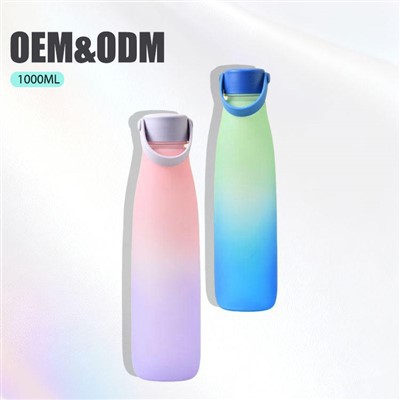
In conclusion, the cost of a silver – plated bottle is determined by a combination of factors, including material costs, manufacturing processes, design and branding, market demand and supply, and quality and certification. As a supplier of silver – plated bottles, I understand the importance of providing high – quality products at competitive prices. Whether you are looking for a simple, affordable bottle for everyday use or a luxurious, custom – designed bottle for a special occasion, I can help you find the perfect solution.
Recycling Water Bottles If you are interested in purchasing silver – plated bottles for your business or personal use, I invite you to contact me for further discussion. We can work together to determine the best product specifications and pricing based on your needs and budget. Let’s start a conversation and explore the possibilities of working together!
References
- "Metals in Packaging: Properties and Applications" by John A. Robertson
- "Surface Engineering for Corrosion and Wear Resistance" edited by S. K. Chatterjee
- "The Economics of Luxury Goods" by Luca Solca
Polywell International
Polywell International is one of the most professional silver-plated bottle manufacturers and suppliers in China, featured by quality products and good price. Please rest assured to buy advanced silver-plated bottle made in China here and get quotation from our factory. Customized orders are welcome.
Address: Building 3, Chengzhou Industrial Zone, No.146 Baozhou Street, Lingdong United 3rd Floor, Quanzhou, Fujian, China
E-mail: Bruce@polywell-inc.com
WebSite: https://www.cndrinkware.com/
