Hey there! If you’re in the game of plastic piping—whether you’re a plumber, construction foreman, or weekend warrior tackling a big underground project—you know butt fusion fittings are non-negotiable. These little guys (they go by names like elbows, tees, reducers, caps, and couplings) hold pipes together so well, leaks are basically a non-issue when installed right. But here’s the thing I see way too often at my shop: guys unload a pallet of brand new HDPE or PVC butt fusion fittings, toss ‘em in a corner of the job site, cover ‘em with a tarp that’s been there since last month, and wonder why their first fusion joint falls apart two weeks later. Let me tell you—storing these things correctly isn’t just “being organized”; it’s half the battle to a strong, long-lasting pipe run. I’ve been selling butt fusion fittings for 8 years now, and I’ve seen way too much avoidable waste from bad storage. So let’s break this down like I’m chatting with you over a cold coffee at the supply yard—no fancy engineering jargon, just real, usable tips. Butt Fusion Fittings
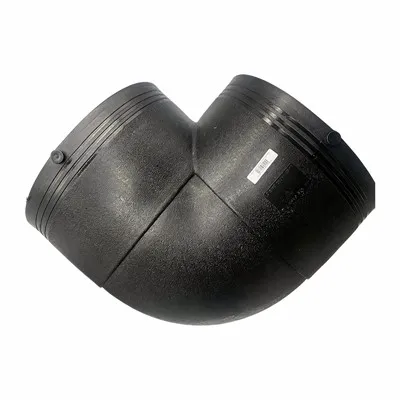
First off, let’s get one thing straight: butt fusion fittings aren’t like metal parts. Sure, some metal fittings rust if left out in the rain, but plastic ones have their own set of enemies that are way sneakier. I once had a regular customer bring back a whole case of 12-inch HDPE tees because they said they wouldn’t fuse right—turns out he left them stacked in the back of a flatbed for 3 weeks in August, and the UV exposure had made the outer layer get all brittle and chalky on the ends. His fusion machine couldn’t get a good melt bond because the surface was all degraded. That’s a $1,500 mistake just from forgetting the basics. So let’s start with location, because that’s the easiest fix.
Job site storage is where most people mess up, honestly. You might think “any covered spot works,” but no—if that covered spot is sitting on dirt, and that dirt turns to mud when it rains, your fittings are gonna get dirty, dusty, and maybe even get a little scraped up on the edges. Scraped edges mean when you go to cut the pipe for fusion, you’re cutting into a fitting that’s already been damaged, leading to weak joints. So the first rule: elevate your fittings off the ground. I always tell my guys to use wooden pallets (the cheap, heat-treated ones, not the chemical-treated ones that leach stuff) or concrete blocks stacked 12 inches high. No more direct contact with dirt, mud, or whatever gunk is seeping up from the ground. That’s a quick win—just spend 10 minutes stacking a few blocks and laying pallets down, and you’re already ahead of the game.
Next, weather. I’m talking about three big weather enemies here: sun, moisture, and temperature swings. Let’s start with the one that got that customer with the tees: UV radiation. HDPE and PVC are both resistant to a lot, but direct sunlight—especially that harsh summer sun, or even the harsh winter sun (UV doesn’t take a vacation!)—breaks down the molecular structure of plastic. It’s called photodegradation, and it makes the surface get brittle, chalky, and discolored. I’ve seen fittings go from a nice black HDPE to pale gray dust in just 6 months sitting in direct sun. If that’s your storage spot, you’re killing your fittings before you even use them. So what do you do? If they’re at the job site, cover ‘em with a UV-resistant tarp, not just any old plastic sheet (regular plastic doesn’t block UV well). If you’ve got a bulk storage area at your shop or warehouse, store ‘em in a closed unit or at least under a roof that blocks direct sun. Even better, if you can stack ‘em inside, that’s ideal.
Moisture is the other big one. Rain, snow, humidity—any of that can mess with butt fusion fittings. Wait, but why? You’re gonna dry the pipe ends before fusion, right? Well, first, if a fitting’s surface is caked with mud or mildew, when you go to clean it, you might leave a little grit behind. That grit gets between the pipe and fitting when you melt them, and it creates a void that leads to leaks. Second, if you’re working in a super humid environment (like a coastal job site), moisture can actually get trapped inside a fitting (especially hollow ones like tees or elbows) if they’re not capped. When you heat the fitting for fusion, that moisture turns to steam, which bubbles up through the molten plastic, leaving weak spots in the joint. I learned that lesson the hard way when a new installer on my team had a joint fail on a coastal water line—we had to dig up 200 feet of pipe and re-do it, all because we left the open ends of the tees uncovered during a week of heavy humidity. So rule number one for moisture: keep fittings dry. If you stack ‘em under a cover, that’s step one, but also—cap the open ends! I keep a box of cheap plastic end caps in my warehouse for exactly this reason. For 2-inch to 12-inch fittings, end caps are like $0.50 to $5 each, and they save you a huge headache. Even if you’re not using the fitting right away, capping the ends keeps dirt, water, and bugs out—yes, bugs! I’ve found ants and roaches nested in unused tees before, and you don’t want that crud in your fusion joint.
Temperature swings—wait, how does that affect plastic fittings? Well, extreme heat or cold can warp them, especially if they’re stacked too high. Let’s think: if you stack a bunch of 24-inch elbows on top of each other in a hot trailer, the bottom ones can get squished, leading to oval-shaped openings. An oval opening means your pipe won’t fit flush, and the melt won’t be even around the joint. I once had a guy bring back a truckload of 18-inch reducers because they were “too warped to fuse”—turns out he stacked 10 of them on a pallet in the back of a cargo van for a week in July. The heat made the lower ones deform. What’s the fix here? Don’t stack heavy fittings on top of lighter or smaller ones. For bulk storage, follow the max stacking height guidelines I always print on my product labels—usually, it’s 4 to 6 feet for most butt fusion fittings, because beyond that, the pressure makes them deform. Also, avoid storing them in places where temps get over 140°F (that’s the temp inside a parked car on a sunny day, for reference) or below freezing if you can help it. Wait, freezing is less of an issue than heat, but if a fitting gets super cold and then you try to heat it with a fusion machine, it can cool down the molten plastic too fast, leading to a weak bond. So keep ‘em in a spot with moderate temps, if possible.
Now, let’s talk about how you stack and organize the fittings, not just where you put them. A lot of guys just dump all their tees in a pile and grab whatever they need, but that’s a mistake. First, separate different sizes and types so you don’t have to dig through a pile and scratch up the surfaces. Scratches or dents on the fusion ends are no good—they create weak points where the pipe won’t seat properly. I recommend using plastic bins for smaller fittings (2-inch and below) and wooden crates (lined with foam if you have it) for larger ones. For larger bulk fittings (like 12-inch and up), lay them flat on the pallet, not standing up. Standing ‘em up puts all the pressure on one spot, which can cause warping, whereas laying them spreads the weight. Also, don’t drag fittings across concrete or sharp ground—lift ‘em. Dragging can scratch the fusion ends, and like I said, that’s a quick way to a bad joint.
Wait, another thing I get asked all the time: can you store butt fusion fittings with other materials? Like, can I stack them next to some metal pipes or chemical drums? My answer is no, and here’s why. Chemicals—even if they’re not touching the fittings, fumes from things like gasoline, solvents, or fertilizers can seep into the plastic over time and degrade it. I had a landscape contractor once store his HDPE fittings next to a pile of herbicides at a job site, and when he tried to fuse them, the melted plastic bubbled like soda. Turns out the fumes had made the plastic porous, so the heat made the trapped chemicals expand and bubble. Don’t take that risk. Keep your butt fusion fittings away from any chemicals, even if you think they’re sealed. Stick to pallets, blocks, or bins that are only for your fittings.
What about long-term storage? Like, if you’ve got a case of fittings you’re not gonna use for 6 months or a year? Don’t just leave ‘em on a pallet in the yard. Bring ‘em inside, if you have space. If not, cover ‘em with a heavy-duty, UV-stabilized tarp (the cheap ones from the dollar store don’t work—they tear and let sun in). Also, check on ‘em every few months. I know that sounds like a hassle, but a quick visual check for discoloration, brittleness, or warping can save you from a huge problem later. If they start getting chalky on the ends, you can sand the fusion layer lightly to get back to good plastic, but if they’re brittle all over, it’s time to retire ‘em.
Let me also throw in a quick real-world example from last month. I had a plumbing crew working on a municipal water project call me panicking—they had 8 new 6-inch HDPE tees that they said “weren’t fusing right.” When they brought them in, I checked ‘em, and sure enough, the ends were all chalky from sitting in direct sun for 2 weeks at the job site. I ended up sanding the fusion layers and replacing 4 of the tees (the other 4 were too far gone), and the crew had to rework a whole section of pipe. That’s a $2,000 mistake they could’ve avoided if they’d just covered the pallets with a tarp.
Now, let’s wrap this up with the key takeaways so you don’t have to memorize all this: 1. Elevate all fittings off the ground with pallets or blocks to avoid dirt and moisture. 2. Keep ‘em covered from direct UV—UV is plastic’s worst enemy. 3. Cap open ends to keep water, dirt, and critters out. 4. Stack ‘em correctly, don’t go over max height, and don’t drag ‘em. 5. Keep ‘em away from chemicals and extreme temps. 6. Check on ‘em regularly, especially if stored long-term.
If you’re in the market for high-quality butt fusion fittings that are made to last, and you want to make sure they’re stored right before they even leave our shop, just reach out. We’ve got all sizes of HDPE, PVC, and PP butt fusion fittings, and we even sell the end caps and storage supplies you need to keep your fittings in top shape. Shoot us a message to talk about your project—whether it’s a small residential line or a big commercial job, we can hook you up with the right fittings and tips to make your fusion joints strong and leak-free.
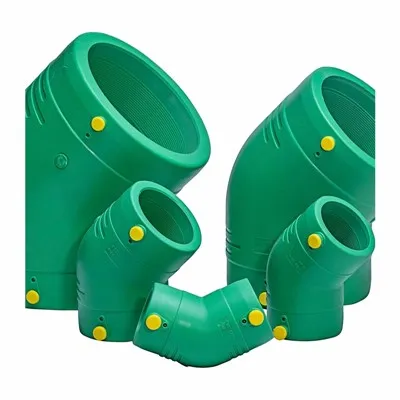
I swear, this stuff is not rocket science, but it’s the difference between a job that goes smooth and one that’s a nightmare. I’ve been doing this long enough to know that 90% of plumbing and piping problems aren’t from bad products—they’re from bad storage. Don’t be the guy stuck digging up pipe because you skipped covering a pallet of fittings. Do it right, and your joints will hold up for decades.
U-PVC Fittings References
- Plastics Pipe Institute. (2021). Handling and Storage of Thermoplastic Piping Materials.
- American Society of Mechanical Engineers. (2019). Butt Fusion Joining of Thermoplastic Pipes and Fittings.
- National Association of Plumbing-Heating-Cooling Contractors. (2022). Job Site Material Storage Best Practices.
Qingdao Polyfusion Machinery Co., Ltd.
As one of the most professional butt fusion fittings manufacturers and suppliers in China, we have world-leading production equipment and strong manufacturing capabilities. Please feel free to buy bulk high quality butt fusion fittings from our factory.
Address: Chengyang Industry Zone, Chengyang, Qingdao, Shandong, China
E-mail: export01@qdpolyfusion.com
WebSite: https://www.polyfusionfittings.com/
