If you’re running a refrigerated truck fleet (or thinking about leveling up your cold chain game) and wondering how to keep your goods intact, your costs low, and your drivers sane, you’re in the right spot. As a refrigerated truck supplier that’s worked with dozens of fleets from small local produce runs to regional pharmaceutical deliveries, I’ve seen what works (and what goes very wrong when you skip the basics). Let’s cut the corporate jargon and get to the real, actionable best practices that actually move the needle—no AI-generated fluff here, just lessons from the road. Refrigerated Truck
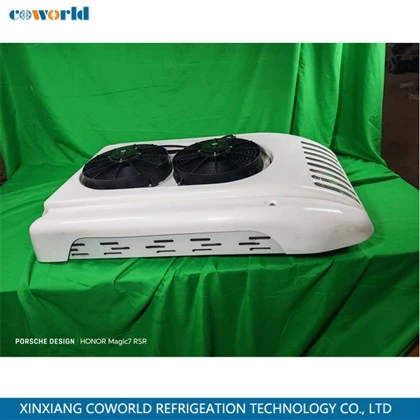
First up: proactive pre-trip checks, not just the “walk around the truck before loading” routine. I know, I know, it sounds like busywork, but here’s the thing: a 10-minute check before you leave can save you from a $10,000 ruined load mid-route. Last year, a small fleet client of ours skipped checking their trailer’s refrigeration unit seal and ended up with 50 cases of fresh berries turning to mush on a cross-state run. What’s the right way to do it? Don’t just glance at the temp setting. Have drivers do three specific things: run a quick temp calibration test 30 minutes before loading (set the unit 2 degrees lower than needed, let it stabilize, then confirm it holds the desired temp for 10 minutes), check for gaps in the trailer door seals by running a piece of paper around the edges—if it pulls out easy when you close the door, that’s cold air leaking out, and you’re throwing money away. Also, spot-check the refrigerant levels; we supply our fleets with a portable gauge for this, so it’s not guesswork anymore. Oh, and don’t forget the battery—refrigeration units run on battery when idling, and a dead battery in a remote parking lot is a nightmare. We’ve started including a quick battery voltage test sticker on every truck door to remind drivers, and it cut our clients’ mid-route breakdowns by 28% in 2023.
Next: load planning that’s tailored to cold chain, not just any freight. A lot of fleets just stack pallets like regular boxes, but refrigerated loads have rules. For starters, you can’t block the air vents inside the trailer. I’ve seen drivers stack pallets so high they cover the ceiling vents, and that creates a “dead zone” in the middle of the load where temp spikes 5 degrees—enough to spoil meat, dairy, or vaccines. Pro tip: leave a 6-inch gap along the trailer walls and ceiling for air circulation, and arrange sensitive goods (like fresh produce or insulin) near the vents, not deep in the back. Also, don’t mix incompatible temps. You might think “both need cold” so it’s fine, but ice cream needs -18°C, while lettuce needs 0–4°C. Mixing them will make the ice cream soft and the lettuce wilted. We train all our fleet clients to color-code loads: blue for frozen, green for chilled, red for ambient, and keep each group in separate sections (or separate trailers if you do mixed runs). That’s saved so many loads—one craft ice cream client went from 12% spoilage to 1% after switching to color-coded load plans, which meant an extra $45k a year in profit.
Then, route efficiency that doesn’t sacrifice cold. This is where a lot of fleets mess up: they use regular GPS for route planning, but regular GPS doesn’t account for cold idling. Stop-and-go traffic means more idling, which uses more fuel and wears out the refrigeration unit, not to mention higher temp swings. The fix? Use temperature-aware route planners—tools that let you input your required temp range and adjust for idle times, especially in cities where rush hour is brutal. Also, avoid idling for longer than 2 minutes whenever possible. A lot of drivers idle to keep the unit running while they load/unload, but modern refrigeration units (the kind we supply) are designed to shut off when not in use, and they can re-cool back to temp in 5 minutes flat. We tell our drivers: get the trailer pre-cooled before you start loading, so once you’re done, the unit doesn’t have to work overtime. Another big one: schedule deliveries so you’re not leaving a trailer sitting in a parking lot for 4 hours between runs. Parked trailers lose 2–3 degrees of temp every hour if the door is opened regularly, so time your stops to drop off and pick up back-to-back whenever you can.
Data tracking is non-negotiable now, but not just for “looking at numbers”—for actually fixing problems. A lot of fleets buy a refrigerated truck, install a temp tracker, and then never check the data. That’s wasted money. Here’s what we recommend: use a telematics system that tracks two things: real-time temp data and unit performance. For example, our trucks come with a dashboard that shows if the refrigeration unit is running at 70% capacity (instead of 100%) because of a dirty condenser. If you catch that early, you can clean it for $50 instead of replacing the unit for $5k. Also, set alerts for abnormal temps—so if a load drops below 2°C (required for milk) for more than 5 minutes, you get a text, not just a report at the end of the day. One pharma client we work with uses these alerts to reroute a driver when their temp tracker sent a heads-up, and they saved a $20k shipment of COVID vaccines last quarter. We also help our clients analyze monthly data to spot trends: if half their drivers are having temp issues on Tuesday afternoons, maybe that’s when they’re taking longer lunch breaks and leaving the trailer door open too long. Data turns vague “our loads go bad sometimes” into “we need to add a 5-minute door-close reminder at lunch.”
Driver training isn’t a one-time onboarding thing—it’s ongoing. I can’t tell you how many fleets hire a driver, send them for a 2-hour refrigeration unit class, and then never touch it again. Refrigerated trucks are way different from regular box trucks, and even experienced drivers need refreshers. We do quarterly 1-hour check-ins with our clients’ drivers, covering things like how to replace a broken seal (it’s not hard, but most drivers don’t know the right tool for the job), how to read the refrigeration unit’s error codes, and even basic load handling. Last year, a client’s driver didn’t know how to reset a stuck error code on their unit, so they called a mechanic mid-route and waited 3 hours—losing a whole load of fresh fish. A quick refresher would’ve taught them to reset it in 30 seconds. Also, incentivize good habits. We’ve seen fleets offer a small bonus (like $50 a month) to drivers with zero temp spoilage and zero unit breakdowns. It sounds tiny, but it makes drivers pay attention, not just check a box. One local produce fleet’s driver retention went up 15% after adding this bonus, which saved them even more money on training new hires.
Maintenance is not just “when the light comes on”—it’s scheduled. Regular box truck maintenance is every 5,000 miles, but refrigerated trucks have two engines to maintain: the truck’s engine and the refrigeration unit. We tell our clients to do a full unit check every 3,000 miles, not when the “check engine” light pops up. That includes replacing the air filter (a dirty filter cuts unit efficiency by 15%, which raises fuel costs), checking the belts, and flushing the refrigerant lines. We also supply a maintenance schedule sticker for every truck door, so it’s not in a binder that never gets opened. A big mistake fleets make is waiting for a breakdown—we had a client who skipped maintenance, and their refrigeration unit failed on a holiday weekend, so mechanics were booked 3 days out. They had to rent a temporary truck for $1,200 a day and pay the driver overtime, which cost way more than the $800 maintenance check would’ve. Oh, and don’t skip winterization. If you’re running in cold climates, the refrigeration unit’s lines can freeze, so we recommend a winter tune-up every October that includes adding antifreeze to the unit and checking for leaks. Last winter, a client skipped this, and their unit froze solid in a snowstorm, ruining 2 tons of frozen chicken.
Wait, one thing people forget: door security and temp integrity. It’s not just about keeping the cold in—it’s also about keeping the load safe. A lot of fleets use basic padlocks on trailer doors, but a thief can break a padlock in 10 seconds. We recommend high-security door locks that have a tamper alert, so if someone tries to pry the door open, your system sends a text. But also, keep the door latched tightly—loose latches let cold air leak out, and again, that’s wasted energy. We’ve started adding a quick door latch check to our pre-trip sticker, so drivers just turn the latch until it clicks twice, not once. It’s a tiny thing, but it reduces temp loss by 10% on average, according to our client data.
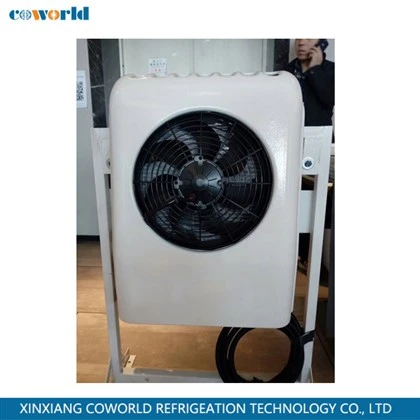
At the end of the day, managing a refrigerated truck fleet isn’t about having the newest or biggest trucks—it’s about the small, consistent habits. It’s the pre-trip check, the color-coded loads, the data alerts, the driver refreshers. And if you’re in the market for reliable, efficient refrigerated trucks that are built with these habits in mind, we’re here to help. We work with fleets of all sizes, from 2 trucks to 50, and we can walk you through how our equipment cuts spoilage, lowers fuel costs, and makes your drivers’ jobs easier. Whether you’re looking to replace an old unit or upgrade your entire fleet, just reach out to our team to start a conversation about what works for your specific needs.
Refrigerated Tricycle References
- International Association of Cold Storage & Refrigerated Transportation, Cold Chain Fleet Best Practices Report, 2023
- National Private Truck Council, Telematics Use in Refrigerated Freight, 2022
- U.S. Department of Energy, Fuel Efficiency Strategies for Commercial Refrigerated Vehicles, 2021
- Food and Drug Administration, Guidelines for Transportation of Perishable Food Products, 2023
Xinxiang Coworld Refrigeration Technology Co., Ltd.
As one of the most professional refrigerated truck manufacturers and suppliers in China, our products have good reputation in the market. We warmly welcome you to buy cheap refrigerated truck for sale here from our factory. If you have any enquiry about cooperation, please feel free to email us.
Address: B103 ROOM, GT CITY, NO.199 ZHENGZHONG ROAD, HIGH TECH ZONE, XINXIANG CITY, HENAN PROVINCE, CHINA
E-mail: coworldfrio@hotmail.com
WebSite: https://www.coworldthermo.com/
