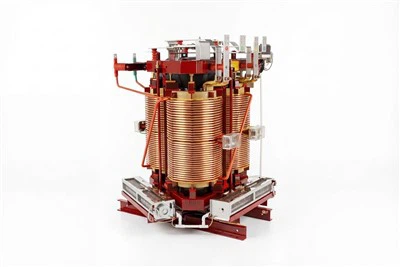
As a supplier of special transformers, I’ve witnessed firsthand the complex interplay of cost factors that go into these unique electrical devices. Special transformers are not your run – of – the – mill equipment; they are designed to meet specific, often highly specialized, requirements in various industries such as power generation, industrial manufacturing, and renewable energy. In this blog, I’ll delve into the key cost factors associated with special transformers, providing insights that can help potential buyers understand the pricing structure and make informed decisions. Special Transformer

Design and Engineering Costs
The design phase is the cornerstone of any special transformer project. Unlike standard transformers, special transformers need to be custom – engineered to fit the exact specifications of the application. This involves a team of experienced electrical engineers who use advanced software tools to model and simulate the transformer’s performance.
The complexity of the design is a major cost driver. For instance, if a special transformer is required to operate in a high – temperature environment or under extreme electrical loads, the design must incorporate special materials and cooling systems. The engineers need to conduct extensive research and testing to ensure that the transformer can withstand these conditions without compromising its efficiency or safety.
Another aspect of design cost is the need for compliance with various industry standards and regulations. Different countries and industries have their own set of requirements for electrical equipment, and special transformers must meet these standards. This may involve additional design features and testing procedures, which add to the overall cost.
Material Costs
The choice of materials has a significant impact on the cost of special transformers. The core, windings, and insulation materials are the main components that determine the transformer’s performance and durability.
The core of a transformer is typically made of laminated steel, but for special transformers, high – grade silicon steel or amorphous metal may be used. High – grade silicon steel offers lower core losses, which improves the transformer’s efficiency. Amorphous metal, on the other hand, has even lower core losses but is more expensive. The cost of these materials can vary depending on the market price and the quantity required.
The windings are usually made of copper or aluminum. Copper is a better conductor of electricity, which results in lower resistive losses. However, copper is more expensive than aluminum. The decision to use copper or aluminum depends on factors such as the required current capacity, the operating temperature, and the budget.
Insulation materials are crucial for preventing electrical breakdown and ensuring the safety of the transformer. Special transformers may require high – performance insulation materials such as epoxy resin or mica. These materials are more expensive than traditional insulation materials but offer better electrical and thermal properties.
Manufacturing Costs
The manufacturing process of special transformers is more complex and labor – intensive than that of standard transformers. Each transformer is built to order, which means that the manufacturing process must be carefully planned and executed to ensure that the final product meets the design specifications.
The assembly of the transformer requires skilled workers who are trained to handle the delicate components. The windings need to be carefully wound around the core, and the insulation materials need to be applied precisely. Any mistakes during the assembly process can lead to performance issues or even failure of the transformer.
Testing is another important aspect of the manufacturing process. Special transformers need to undergo a series of tests to ensure that they meet the required performance standards. These tests include electrical tests, thermal tests, and mechanical tests. The testing equipment and facilities are expensive, and the testing process can be time – consuming, which adds to the manufacturing cost.
Customization and Special Features
One of the main reasons for using special transformers is the need for customization. Customers may require special features such as special tap changers, different mounting arrangements, or specific protection devices. These custom features add to the cost of the transformer.
For example, a special tap changer allows the user to adjust the output voltage of the transformer to meet the changing load requirements. However, the design and installation of a special tap changer are more complex and expensive than a standard tap changer.
Mounting arrangements can also be customized to fit the specific installation environment. If the transformer needs to be installed in a confined space or in a harsh environment, special mounting brackets and enclosures may be required. These custom mounting solutions add to the overall cost of the transformer.
Transportation and Installation Costs
Transporting special transformers can be a challenging and costly task. These transformers are often large and heavy, and they require special handling and transportation equipment. The transportation cost depends on the distance, the weight and size of the transformer, and the mode of transportation.
Installation is another cost factor. Special transformers need to be installed by qualified technicians who have the necessary skills and experience. The installation process may involve electrical connections, mechanical mounting, and commissioning. The installation cost includes the labor cost, the cost of installation materials, and the cost of any necessary equipment.
Maintenance and Lifecycle Costs
The cost of maintaining a special transformer over its lifecycle is an important consideration. Special transformers require regular maintenance to ensure their reliable operation. This includes inspections, testing, and replacement of worn – out components.
The maintenance cost depends on the type of transformer, the operating environment, and the frequency of use. For example, a transformer operating in a harsh environment may require more frequent maintenance than a transformer operating in a clean and stable environment.
The lifecycle cost also includes the cost of energy consumption. A more efficient transformer will consume less energy over its lifetime, which can result in significant cost savings. Therefore, when considering the cost of a special transformer, it’s important to take into account the long – term energy savings.
Conclusion
In conclusion, the cost of special transformers is influenced by a variety of factors, including design and engineering, materials, manufacturing, customization, transportation, installation, and maintenance. As a supplier, we understand the importance of providing high – quality special transformers at a competitive price. We work closely with our customers to understand their specific requirements and provide cost – effective solutions.
Box Type Substation If you’re in the market for a special transformer, I encourage you to reach out to us for a detailed discussion. Our team of experts can help you understand the cost factors involved and provide you with a customized quote based on your specific needs. We are committed to delivering the best value for your investment and ensuring that your special transformer meets your expectations.
References
- IEEE Standards Association. IEEE Standards for Power Transformers.
- International Electrotechnical Commission (IEC). IEC Standards for Electrical Equipment.
- Manufacturer’s Manuals for Special Transformers.
Jiangsu Yuantong Electric Co., Ltd.
As one of the most experienced special transformer manufacturers and suppliers in China, we also support customized service. Please rest assured to wholesale bulk high quality special transformer in stock here from our factory. Contact us for more details.
Address: No. 202, Qiaogang Road, Xicheng Subdistrict, Hai’an City
E-mail: jsytdq@jsytelectric.com
WebSite: https://www.jsytelectric.com/
