Hey there! I’m a supplier of CV joints, and I’ve seen my fair share of CV joint problems over the years. In this blog, I’m gonna share with you how I diagnose a CV joint problem. Whether you’re a mechanic, a car enthusiast, or just someone who wants to know more about their vehicle, this info could come in handy. Cv Joint
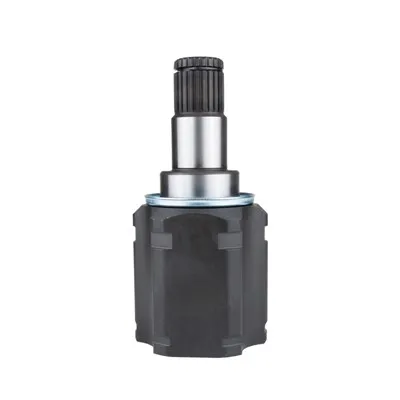
What the Heck is a CV Joint Anyway?
First things first, let’s quickly go over what a CV joint is. CV stands for Constant Velocity. These joints are a crucial part of your car’s drivetrain. They’re responsible for transferring power from the transmission to the wheels at a constant speed, even when the wheels are turning at different angles, like when you’re making a turn. There are two main types: the inner CV joint and the outer CV joint. The inner one is closer to the transmission, and the outer one is near the wheel.
Step 1: Listen Up
One of the first signs of a CV joint problem is unusual noises. Pay close attention to what your car sounds like when you’re driving.
- Clicking or Popping Sounds: If you hear a clicking or popping noise, especially when you’re making sharp turns, it’s a classic sign of a worn outer CV joint. The clicking happens because the joint’s bearings are worn out or damaged, and they’re not able to move smoothly.
- Clunking Sounds: A clunking sound when you’re accelerating or decelerating could mean there’s an issue with the inner CV joint. It might be loose or damaged, and the clunk is the result of the joint moving around more than it should.
- Rumbling or Growling Noises: A continuous rumbling or growling noise, especially at higher speeds, could indicate a severe problem with the CV joint. This might be due to excessive wear, lack of lubrication, or a damaged boot (the rubber cover that protects the joint).
Step 2: Check the Boots
The CV joint boots are super important. They keep the grease inside the joint and keep dirt and debris out. If the boots are damaged, all sorts of bad things can happen.
- Look for Tears or Cracks: Inspect the CV joint boots visually. You can usually do this by lifting the car and looking at the joints. If you see any tears, cracks, or holes in the boots, it’s a big red flag. Once the boots are damaged, the grease can leak out, and dirt and water can get in, which will quickly lead to premature wear and damage of the CV joint.
- Grease Leakage: If you notice grease splattered around the area of the CV joint or on the inside of the wheels, it’s a clear sign that the boot is damaged and the grease is leaking. Don’t ignore this; it needs to be addressed as soon as possible.
Step 3: Examine the Movement
Another way to diagnose a CV joint problem is to check the movement of the joint itself.
- Turn the Wheels: With the car parked and in neutral, turn the steering wheel all the way to one side and then the other. While doing this, you can feel and listen for any abnormal vibrations or clicking sounds. If the CV joint is in good condition, the movement should be smooth. If you feel a rough or jerky movement, or if you hear clicking, there’s likely an issue.
- Try to Wiggle the Joint: You can also try to gently wiggle the CV joint by hand. If there’s excessive play or looseness, it could mean that the joint is worn or damaged. However, be careful when doing this, as you don’t want to cause any further damage.
Step 4: Consider the Driving Conditions
The way you drive and the conditions you drive in can also give you some clues about CV joint problems.
- Aggressive Driving: If you’re an aggressive driver who likes to take sharp turns at high speeds or does a lot of hard acceleration and braking, you’re putting extra stress on the CV joints. This can lead to faster wear and tear.
- Off – Road Driving: Driving on rough, uneven terrain, like dirt roads or mountains, can also put a lot of strain on the CV joints. Rocks, bumps, and potholes can damage the joints or their boots.
Step 5: Check the Mileage
The mileage on your car can be a factor in CV joint problems. Generally, CV joints are designed to last for a certain number of miles, but this can vary depending on the quality of the joint and how well it’s maintained.
- High Mileage: If your car has a high mileage (let’s say over 100,000 miles), the CV joints are more likely to be worn out. It’s a good idea to have them inspected regularly as your car gets older.
When to Replace the CV Joint

If you’ve gone through all these steps and you’re pretty sure there’s a problem with the CV joint, it’s time to think about replacement. Here are a few things to keep in mind:
- Safety First: A damaged CV joint can be a safety hazard. If the joint fails while you’re driving, it can cause a loss of power to the wheels, which can lead to an accident. So, don’t delay getting it fixed.
- Cost – Benefit Analysis: Sometimes, it might be more cost – effective to replace the entire CV axle (which includes the joint) rather than just the joint itself. This can save you time and money in the long run, especially if the rest of the axle is also showing signs of wear.
Coil Spring As a CV joint supplier, I know how important it is to have high – quality CV joints in your vehicle. If you’re having issues diagnosing a CV joint problem or if you’re in the market for new CV joints, I’d love to help you out. We’ve got a wide range of CV joints that are built to last and can handle even the toughest driving conditions. Don’t hesitate to reach out to me to discuss your specific needs and start a procurement conversation.
References
- Automotive Repair Manuals: Various manuals that cover the basics of car maintenance and repair, including CV joints.
- Manufacturer’s Specifications: Information provided by car manufacturers about the expected lifespan and performance of CV joints.
Guangzhou Pinxiu Auto Parts Co., Ltd.
As one of the most professional cv joint manufacturers and suppliers in China, we warmly welcome you to buy durable cv joint for sale here from our factory. All customized products are with high quality and competitive price. Contact us for pricelist.
Address:
E-mail: pinxiu@cclparts.com
WebSite: https://www.cclauto-parts.com/
