Hey there! As a supplier of Turbine Gland Seal, I’ve seen firsthand the importance of understanding its performance indicators. In this blog, I’m gonna break down the key metrics that truly matter when evaluating the effectiveness and reliability of these seals. Turbine Gland Seal

Leakage Rate
The leakage rate is probably the most straightforward performance indicator of a turbine gland seal. Simply put, it tells you how much fluid or gas is sneaking past the seal when it’s supposed to be keeping things contained. A low leakage rate is the holy grail here. Why? Well, excessive leakage can lead to a whole bunch of problems.
For one, it can cause a loss of efficiency in the turbine. If steam or other working fluids are leaking out, the turbine isn’t able to convert as much of that energy into useful work. That means you’re burning more fuel or using more power to achieve the same output, which can be a real cost – killer in the long run.
Secondly, leakage can also contaminate the surrounding environment. In power plants, for example, steam leaks can lead to water damage in the turbine hall, and in some industrial applications, the leakage of hazardous chemicals can pose a serious safety risk.
We’ve spent a lot of time in R & D to develop gland seals with extremely low leakage rates. Our seals are designed with precision – engineered materials and geometries that create a tight barrier against leakage. And we test them rigorously to make sure they meet the strictest industry standards.
Temperature Resistance
Turbine environments can get pretty hot, and a gland seal has to be able to handle that heat without losing its effectiveness. The temperature resistance of a seal is a crucial performance indicator.
High temperatures can cause materials to expand, deform, or degrade. If a seal can’t withstand the heat, it might start to leak, or its mechanical properties could be compromised, leading to premature failure. That’s why we use high – grade materials in our turbine gland seals that are specifically chosen for their excellent heat resistance.
We’ve conducted numerous tests to measure how our seals perform under different temperature conditions. For instance, we expose them to extreme heat for extended periods to simulate real – world operating scenarios. This allows us to fine – tune the design and material selection to ensure the seals can operate reliably in high – temperature environments.
Wear and Tear Resistance
In a turbine, the gland seal is constantly in contact with other moving parts. This means it’s going to experience some wear and tear over time. A good seal needs to be highly resistant to this abrasion.
If a seal wears out too quickly, it can lead to increased leakage and reduced performance. It also means more frequent maintenance and replacement, which adds to the overall operating costs.
Our turbine gland seals are built tough. We use advanced surface treatments and hard – wearing materials to minimize wear. We’ve also designed the seals with features that help distribute the load evenly, reducing the stress on any one part of the seal and extending its lifespan.
Pressure Resistance
Turbines operate under high pressures, and the gland seal has to be able to hold up against these forces. Pressure resistance is another vital performance indicator.
If a seal can’t withstand the pressure, it can fail catastrophically, leading to major disruptions in the turbine’s operation. We’ve developed seals that are specifically engineered to handle high – pressure environments. Our design team uses sophisticated computer simulations to analyze how the seals will perform under different pressures and optimizes the seal’s structure accordingly.
Flexibility and Adaptability
Not all turbines are the same, and that’s where the flexibility and adaptability of a gland seal come in. A good seal needs to be able to conform to the specific requirements of different turbine designs.
Our seals are designed with some degree of flexibility, which allows them to adapt to minor variations in the turbine’s operating conditions. For example, they can compensate for thermal expansion and contraction, as well as small misalignments between components. This adaptability helps ensure a reliable seal, no matter what the turbine throws at it.
Ease of Installation and Maintenance
You know what? A great turbine gland seal is not just about how well it performs in operation; it’s also about how easy it is to install and maintain. After all, if it’s a pain in the neck to put in or service, it’s going to cost you a lot in terms of time and labor.
Our seals are designed with a user – friendly approach. They come with clear installation instructions, and the design allows for quick and straightforward installation. When it comes to maintenance, we’ve made sure that the seals are easy to access and replace. This means less downtime for your turbine and more savings in the long run.
Cost – Effectiveness
Let’s talk about the bottom line – cost. While high – performance seals are essential, they also need to be cost – effective. Our turbine gland seals offer a great balance between performance and price.
We’ve optimized our manufacturing processes to reduce production costs without sacrificing quality. This allows us to offer our customers high – quality seals at a competitive price. In the long run, a cost – effective seal means lower operating costs and higher profitability for your business.
How Our Seals Stack Up
We’ve been supplying turbine gland seals for years, and over that time, we’ve built a reputation for delivering top – notch products. Our seals consistently meet or exceed the performance indicators I’ve talked about.
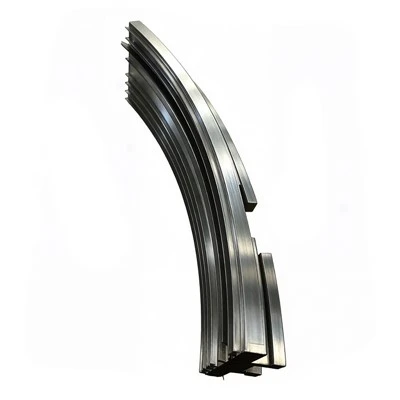
We back up our products with excellent customer service. Our team of experts is always on hand to answer any questions you might have, provide technical support, and help you choose the right seal for your specific application.
Turbine Gland Seal If you’re in the market for a reliable turbine gland seal, I encourage you to reach out to us. We’d love to have a chat about your needs and see how our products can benefit your operation. Whether you’re looking for a seal for a new turbine installation or need to replace an existing one, we’re here to help. Contact us for a consultation and let’s start working together to improve your turbine’s performance and efficiency.
References
- ASME Boiler and Pressure Vessel Code, Section III, Rules for Construction of Nuclear Power Plant Components.
- ANSI/API 612, Special – Purpose Steam Turbines for Petroleum, Chemical, and Gas Industry Services.
- Literature on turbine gland seal technology from major industry players and research institutions.
Jiangsu Turbine Electric Power Technology Co., Ltd.
As one of the most professional turbine gland seal manufacturers and suppliers in China, we have world-leading production equipment and strong manufacturing capabilities. Please feel free to buy advanced turbine gland seal for sale here and get pricelist from our factory. Customized orders are welcome.
Address: Building 8, Huaqi Yungu Xuzhou Lingang Industry Accelerator, Jiawang District, Xuzhou City, Jiangsu Province
E-mail: zjh800@163.com
WebSite: https://www.cnturbine.com/
