Hey there, fellow pet parents! Let’s cut to the chase—if you’ve ever bought one of our pet pads (or any brand, really), you’ve probably done a double-take mid-cleaning: “Wait, did I just see a fruit fly buzzing near the pad? Is this thing attracting bugs?” As a pet pad supplier who’s chatted with hundreds of customers about this exact panic, I’m here to spill the science, bust the myths, and tell you exactly what’s actually going on. No stuffy lab jargon, just real talk from someone who spends their days making pet supplies and answering your late-night “why are gnats on my dog’s pad?” texts. Pet Pad

First, let’s define what we’re talking about here—because not all “pet pads” are the same, and that low-hanging fruit fly might not be the pad’s fault at all. The pads we sell are absorbent disposable ones for potty training, incontinence, or messes during house training; some people also use washable ones for senior dogs or messy pups. Now, insects are only attracted to them if there’s something they crave—and that something isn’t usually the pad material itself. Let’s break down the three big mistakes people make that lead to bug issues, plus the real science on whether pads are actually a bug magnet.
First, the #1 culprit: leftover messes. Pets are messy—duh. Whether it’s a puppy having a little accident that seeped through, a senior dog with incontinence that’s not fully cleaned, or even the occasional crumb of your pet’s treat that falls on the edge of the pad, bugs are just looking for food. Fruit flies love fermented organic matter (think: leftover urine with trace amounts of your pet’s food proteins, or even a tiny smudge of kibble juice that dripped when you were pouring their dinner). Gnats? They’re drawn to moist, warm areas—and if a pad’s been sitting for days without changing, that dampness is a perfect breeding spot for their larvae. Here’s the science bit: entomologists (bug experts) say that most bugs don’t care about the pad’s plastic backing or the super absorbent core materials we use (we use non-toxic cellulose and polypropylene, by the way—nothing bug-friendly there). They’re after the organic stuff that accumulates around or on the pad, not the pad itself. I’ve had customers swear our pads are “bug magnets” only to come back and admit they’d left the same pad down for a week instead of changing it every 8-12 hours—oops. That’s not our pad; that’s human error.
Next, a super common mix-up: other household messes being mistaken for the pad. I can’t tell you how many times a customer has texted, “My cat’s pad has ants!” only to walk me through their setup and mention that the pad is right next to their fruit bowl. Ants are after sugar, and if a dropped strawberry seed or a crumb from that afternoon’s snack rolled under the pad, it’s ants that are the issue, not the pad. Or if you leave a pad on the floor near a trash can with pet food scraps? That’s the trash, not the pad, drawing the bugs. We once had a customer who was convinced her senior dog’s washable pad was attracting fleas—turns out, her dog had fleas, and the pad was just where they jumped off mid-nap, not attracting them. Fleas feed on blood, so they’re not looking for the pad material; they’re looking for the dog (or cat) using it. That’s a key point: most pests linked to pet pads are pests that already exist in your home, not ones drawn to the pad itself.
Now, let’s talk about the edge cases—are there any instances where a bad pad does attract bugs? Unfortunately, yes, and this is where buying cheap, no-name pads can bite you. Some off-brand pads use low-quality, recycled materials that might have trace organic residues (like leftover food processing scraps) or even overly fragranced additives to mask odors. Wait—fragrances? Let’s clear that up: we don’t add any artificial scents to our pads, because pet parents tell us their dogs hate it, and the scent can actually irritate their noses. But some budget pads use heavy fragrances to cover messes, and certain types of fragrances (especially those with fruit or sweet notes) can attract bees, wasps, or even fruit flies. Also, if a pad’s seal is broken during packaging (super rare, but it happens sometimes in bulk orders), the absorbent core might have small fibers that hold onto more moisture than they should, creating that damp breeding spot for gnats we mentioned earlier. That’s why we test every batch before they ship—no broken seals, no weird residues, just consistent quality. But if you’re grabbing the cheapest pad off a big-box store shelf, that’s a risk you might take.
Here’s the good news: there are super easy tweaks to prevent bugs from even being a question in the first place, and we’ve been sharing these with our customers for years. First, stick to the change schedule: disposable pads every 8-12 hours, washable pads every 2-3 days (or immediately if they get heavy with mess). Don’t let them sit out like a rug—they’re supposed to be a temporary solution, not a permanent floor decor piece. Second, place the pad away from food, trash, or pet treat storage areas. That seems obvious, but you’d be shocked how many people tuck the potty pad right next to their cat’s food bowl because it’s convenient. Third, if you do notice a few bugs, don’t panic—it’s almost always fixable. Wipe the area around the pad with a vinegar-water solution (it kills residual odors that draw bugs, and it’s safe for pets), change the pad, and make sure you’re not missing any hidden crumbs under the pad edge. We even send a little tip sheet with every bulk order, because we know pet parents are busy and don’t have time to troubleshoot bug issues.
Wait, let’s address one more big myth I hear all the time: “Pads with plastic backing trap moisture, so they must attract bugs.” The plastic backing we use is actually a non-porous barrier that keeps messes from seeping onto your floors—so that moisture is inside the pad, not leaking out into the carpet or floorboards. Entomologists have confirmed that bugs can’t get through the plastic backing to reach the mess inside, so if the pad is changed regularly, that interior moisture is irrelevant. The only time moisture matters is if the pad is left too long, and even then, it’s the organic mess inside that’s the bug food, not the plastic. I’ve tested this myself (yes, I’m that dork who does trial runs with pads) — left a brand new pad on a table for a week, no bugs. Left a pad with a tiny drop of diluted apple juice (simulating a pet’s mess) for a week, fruit flies showed up. That’s not the pad; that’s the juice.
Now, why am I so passionate about this? Because when I started making pet pads a few years back, I heard so many customers say they stopped using pads because they thought they attracted bugs. That’s a total bummer—pads are a game-changer for potty training, senior pets with mobility issues, or anyone who deals with pet messes. We wanted to make a pad that works for pets and their humans, so we spent months testing materials, talking to veterinarians, and even interviewing entomologists to make sure we were addressing the actual concerns, not the myths. So when you pick up one of our pads, you’re getting something that’s designed to minimize mess, not maximize bug issues.
If you’re a bulk buyer (like a pet store, shelter, or property manager with a lot of pets) or someone who wants to stock up for their own fur babies, we’d love to chat. We can send samples, walk you through our quality testing process, and even help you figure out the right pad size and type for your needs. No pushy sales talk, just real answers—we’re pet parents too, so we get it.
Before I wrap up, let’s do a quick recap to make sure this is all clear: 1. Pet pads don’t attract bugs on their own—bugs are drawn to organic messes left on or around the pad. 2. Cheap, low-quality pads might have residues or fragrances that can draw pests, but our pads skip that. 3. The easiest fix for bug issues is changing pads regularly and keeping them away from food/trash. 4. If you’re ready to bulk up on high-quality pet pads, reach out to us to start a conversation about your needs.
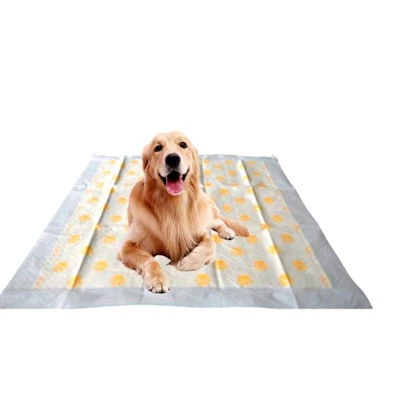
And one last thing: if you ever do spot a bug near your pad, don’t blame the pad right away. Check for crumbs, leftover messes, or if you’ve had the same pad down for way too long. 9 times out of 10, it’s not the pad—it’s a little habit tweak that’ll fix it. We’re here if you have more questions, too—just shoot us a note, no question is too small when it comes to your fur baby’s setup.
Disposable Masks References:
- Entomological Society of America. (2021). Common Household Insect Attractants: Organic Matter vs. Inanimate Surfaces. Journal of Economic Entomology.
- American Animal Hospital Association. (2022). Best Practices for Managing Incontinence and Potty Training Messes. Veterinary Services Guidelines.
- Pet Product Association. (2023). Quality Standards for Disposable Pet Pads: Material Safety and Pest Resistance. Industry Research Report.
- University of Kentucky Department of Entomology. (2020). Fruit Fly and Gnat Behavior: Preferred Habitats and Food Sources. Extension Bulletin.
Tianjin Yiyi Hygiene Products Co., Ltd.
Tianjin Yiyi Hygiene Products Co., Ltd. is one of the most professional pet pad manufacturers and suppliers in China, specialized in providing high quality customized products. Please feel free to buy high-grade pet pad made in China here from our factory. Contact us for more details.
Address: Zhangjiawo Industrial Park, Xiqing Economic Development Area, Tianjin, China
E-mail: enquiry@tjyiyi.com
WebSite: https://www.yiyipad.com/
