If you’ve ever run a bar, restaurant, or even hosted a large private event, you’ve probably stared at that tiny but critical decision: paper bar napkins or cloth bar napkins. For years, I’ve stood on the supplier side of this debate, talking to dozens of bar owners, bartenders, and event coordinators who each have strong, very different opinions on which is better. I’m not here to pick a side—I’m here to break down the science, the real-world costs, and the hidden pros and cons of both, so you can decide what fits your space. Let’s start with the basics: the core difference isn’t just “disposable vs. reusable”—it boils down to material composition, functionality, environmental impact, and user experience, all of which play into how a bar actually runs. Bar Napkins
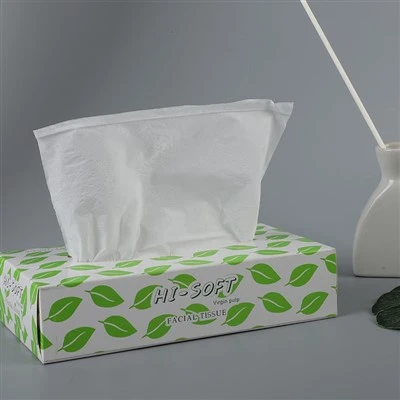
First, let’s talk about what paper bar napkins are made of. Most standard paper bar napkins are manufactured from virgin wood pulp, though some cheaper options mix in recycled paper fibers. Wood pulp is strong in its raw form, which is why it’s engineered to absorb liquids quickly—something bartenders rely on for mopping up beer spills, wiping sticky cocktail rims, or catching crumbs from bar snacks. But here’s the thing: paper napkin material is thin, porous, and designed to break down on contact with moisture. That’s great for disposability, but not so great for holding up to a heavy-handed bartender slapping a cocktail down or using a napkin to wrap a citrus wedge. A good quality paper bar napkin (the kind most bars actually use) is usually a 2-ply or 3-ply design, with a lightweight embossed texture to boost absorbency and prevent tears. But even the thickest paper napkin will fall apart if you scrub a drink glass too hard or fold it to line a small plate for olives.
Cloth bar napkins, on the other hand, are woven from textile fibers—usually cotton, linen, or a polyester-cotton blend. Cotton is the most common because it’s soft, highly absorbent, and durable; linen adds a crisp, polished look that many high-end bars favor, while polyester blends cut down on shrinkage and are cheaper to maintain. Unlike paper, cloth napkins don’t break down on contact with liquid—instead, their tight weave holds moisture without turning soggy, which makes them ideal for multiple uses throughout a shift. A cloth napkin can wipe a sticky bar top, dab a bartender’s hands, and line a plate in the same day, and hold up to a dozen washes before it shows wear. That durability is the biggest practical advantage cloth has, but it’s not without tradeoffs.
Let’s dive into functionality, because that’s where the real difference for a bar lies. Bartenders don’t just use napkins to give guests something to hold their drink—they use them for a million small, repetitive tasks: mopping up a spilled draft beer before it seeps into the bar mat, straining a cocktail by folding a napkin into a small pocket, wrapping a lime to keep it fresh, or even polishing a glass for a perfect, smudge-free shine. Here, paper and cloth perform very differently. Paper napkins are disposable, so there’s no cleanup, but they tear easily—use a single paper napkin to wipe a full beer spill, and you’ll go through three before the end of a shift. Cloth napkins are more absorbent per square inch than most paper options, and they don’t tear mid-task, but they require laundering. For a small bar, that might mean running a load of napkins every other day; for a larger venue, it’s often a commercial laundry service add-on that adds to overhead.
Then there’s user experience, which is the part that guests notice most. Paper napkins feel cheap, plain, and often flimsy—if a guest orders a craft cocktail with an intricate garnish, handing them a thin paper napkin that rips when they wrap it around the glass can make the whole experience feel less intentional. Cloth napkins, by contrast, feel substantial, and their texture (linen’s crisp weave, cotton’s softness) adds a touch of elegance. I’ve heard from countless fine-dining bars that cloth napkins are a key part of their brand identity—they invest in custom-printed or colored cloth napkins that match their interior, and guests comment on the attention to detail. On the flip side, paper napkins are far more convenient for quick, casual spots: a dive bar or a sports bar where guests are grabbing a beer at the counter, the last thing you want is a bartender wasting time washing and folding napkins between customers.
Now, let’s get into the numbers, because this is where many bar owners miscalculate the total cost. I talk to a lot of small bar owners who assume cloth napkins are cheaper long-term, but that’s not always the case. Let’s break it down: a standard pack of 500 2-ply paper bar napkins costs between $8 and $12, depending on quality. That works out to about 1.6 to 2.4 cents per napkin. If a bar serves 500 drinks a night, that’s 500 napkins a night, or $40 to $72 a week on paper napkins—around $2,000 to $3,750 a year. Now, cloth napkins: a set of 100 cotton cloth bar napkins costs between $100 and $200, depending on fabric. That’s a one-time cost of $1 per napkin to $2 per napkin. But then you have laundering: commercial laundry for cloth napkins usually runs between $0.10 and $0.30 per napkin, per use. If a bar uses 500 cloth napkins a night, that’s 500 laundry cycles a night—wait, no, that’s not how it works. Cloth napkins are reused, so a single napkin might be laundered 100 times before it’s replaced. Let’s do the math: 100 cloth napkins, used 5 times a week (so 500 total uses), laundered at $0.15 per use. Over a year, that’s $7,800 in laundry costs—plus the initial $150 investment. That’s way more than paper, unless you’re laundering in-house, which costs around $0.02 to $0.05 per napkin (just water, detergent, and electricity). For a bar with in-house laundry, cloth can be cheaper, but for most small to mid-sized bars, commercial laundry wipes out that savings.
Environmental impact is another angle that’s gotten way more attention in the last decade, and it’s where the line is blurry. Paper napkins are single-use, so every napkin a bar throws away is landfill waste. The EPA estimates that paper products make up about 25% of municipal solid waste in the U.S., and paper napkins are a big part of that. But wait—aren’t cloth napkins better? Not necessarily. Cloth napkins require water, energy, and chemicals to grow the fabric, weave it, and wash it every time you use it. A 2010 study by the University of California, Los Angeles, found that a single cloth napkin has to be washed at least 13 times to have a lower carbon footprint than a paper napkin. If you launder cloth napkins at a commercial laundry that uses hot water and a lot of electricity, you might need to wash them 50 times to break even on emissions. And if a cloth napkin gets stained or torn beyond repair, it’s often treated as fabric waste, which takes longer to decompose than paper. On the other hand, modern paper napkins are increasingly made with recycled fibers—some are even certified compostable, which means they break down in industrial compost facilities in about 90 days, vs. 6 months or more for uncompostable paper. It’s not a clear “paper bad, cloth good” story—both have environmental tradeoffs, and the right choice depends on how you use them.
Wait, but let’s address the myths that I hear all the time. One big one is that cloth napkins are always more hygienic. No—both paper and cloth can harbor bacteria if not handled right. Paper napkins are single-use, so they’re only touched by one person before being thrown away, which reduces cross-contamination. Cloth napkins, if they’re only washed infrequently, can build up bacteria from spills, food residue, and repeated use. The key for cloth napkin hygiene is laundering them at high temperatures (at least 140°F, per FDA food safety guidelines) and replacing stained or worn napkins regularly. Paper napkins, on the other hand, can have issues with pulp processing and chemical additives—cheap paper napkins often use bleach to make them white, which can leave trace chemicals that some people find off-putting. It’s a wash, really—both can be hygienic if you maintain them properly, but cloth requires more consistent care to avoid issues.
Now, let’s talk about the edge cases where one is clearly better than the other. If you run a high-volume, casual bar—think a sports bar with 1,000 drinks a night, where bartenders are moving nonstop, spills are frequent, and guests don’t care about fancy table settings—paper napkins are almost always the better choice. They’re cheap, no cleanup, and can be tossed after use without worrying about stains or reuse. But if you run a high-end cocktail bar, a restaurant with a focus on fine dining, or a venue where brand experience matters, cloth napkins are a differentiator. I worked with a cocktail bar in Brooklyn a few years ago that switched from paper to custom printed cloth napkins, and their guest satisfaction scores went up 12% in three months—guests commented on the “polished, intentional” feel, and the napkins even became a small talking point on local food blogs. That’s the kind of brand impact you can’t get from paper.
Another edge case: outdoor events. If you’re hosting a wedding, a festival, or a pop-up bar at a park, paper napkins are way more practical. Cloth napkins would require transporting, washing, and keeping track of—something that’s hard to do at an outdoor event with limited access to laundry. Paper napkins are lightweight, easy to transport, and can be disposed of after the event, no leftover inventory. But for a permanent indoor venue, the cost tradeoff can shift if you can launder in-house.
Wait, but let’s circle back to what I do: I’m a bar napkin supplier, so I talk to owners every day who are torn on this. The mistake I see most often is choosing one based on trend, not their actual operations. A lot of new bar owners see influencers posting about cloth napkins on Instagram and jump into buying them, without calculating the laundry cost. Or old-school owners who’ve always used paper refuse to try cloth, even if their high-end spot would benefit from the upgrade. The truth is, there’s no universal answer—you need to match the napkin to your bar’s size, volume, brand, and budget.
If you’re a small dive bar with 100 drinks a night, paper napkins are going to be cheaper and easier. If you’re a 500-drink-a-night sports bar, same. But if you’re a 200-drink-a-night craft cocktail bar that charges $18 for a Old Fashioned, the extra $0.10 per cloth napkin is negligible compared to the guest experience. And for a medium bar that’s in between, maybe a hybrid: use cloth for inside service, and paper for takeout or patio service where cleanup is harder. That’s a middle ground I’ve seen work really well.
Let’s also mention the evolution of both products, because they’ve changed a lot in the last few years. Paper napkins aren’t the thin, flimsy ones they were 10 years ago—now there are heavyweight, 4-ply paper bar napkins that are almost as durable as cloth, and some are even designed to hold up to glass polishing. Cloth napkins aren’t just boring white cotton anymore—you can get them in custom prints, colors, even textures like velvet for a luxury feel, and they’re more stain-resistant than ever, thanks to modern fabric treatments that repel most cocktail spills. That evolution has blurred the line even more, making the choice less about material and more about how you want to run your bar.

At the end of the day, the difference between paper and cloth bar napkins isn’t about which is “better” — it’s about which fits your specific needs. If you’re weighing this for your bar, let’s talk through the specifics: your average drink volume, your budget, your brand identity, and how much time and resources you can put into laundry or disposing of waste. I’ve worked with every type of venue, from tiny corner bars to 10,000-square-foot event spaces, and I can help you pick the right napkins that balance functionality, cost, and guest experience. Whether you’re looking to stock up on affordable paper napkins for a casual spot or invest in custom cloth napkins to elevate your brand, I’m here to work with you to find the right solution for your business.
Kitchen Paper References:
- United States Environmental Protection Agency. (2022). Municipal Solid Waste Generation, Recycling, and Disposal in the United States.
- University of California, Los Angeles, Institute of the Environment. (2010). Comparative Life Cycle Assessment of Disposable and Reusable Paper Products.
- U.S. Food and Drug Administration. (2021). Food Code: Sanitation Requirements for Food Service Establishments.
Hangzhou Mingxuan Sanitary Products Co., Ltd.
Hangzhou Mingxuan Sanitary Products Co., Ltd. is one of the most professional bar napkins manufacturers and suppliers in China. With abundant experience, we warmly welcome you to buy bulk high-end bar napkins for sale here from our factory. If you have any enquiry about cooperation, please feel free to email us.
Address: Hangzhou Mingxuan SanitaryProducts Co.,Ltd. 2-1, Baijia, Wuliqiaocun, Xindeng, Fuyang, Hangzhou City, Zhejiang, China. 311404
E-mail: sales2@mx-paper.com
WebSite: https://www.mx-paper.com/
